


Electrical for Wall Cabinet Signs
Our illuminated wall signs are manufactured and installed to Underwriters Laboratories, National Electrical Code (National Fire Protection Association), and City Code standards using UL components and either LED lighting, "High Output" 800MA fluorescent, or H.I.D. lighting; depending on the size and shape of the signs, component cost, and the resulting electrical consumption.
H.I.D. lamps in our signs are
screened by proprietary lamp diffuser panels so that the sign faces light evenly.
"High Output" fluorescent burn brighter than standard fluorescent, and most importantly burn evenly in cold weather. H.I.D. lighting does not dim as much as fluorescent in cold weather. Both will light a sign equally when properly installed.
Electronic fluorescent ballasts use less than half the energy of standard ballasts, and have proven their reliability. This is why we now use them! See our "Energy Savings" tab under "Lighting Choices."
The fluorescent and H.I.D. ballast's used by Signs Manufacturing™ feature a TWO-YEAR warranty.
Every ballast is individually fused to prevent one failed component from costing more in repairs than is necessary.
Each fluorescent ballast also has a high-heat switch that automatically turns the ballast off until it cools to a safe operating temperature, important in preventing fires.
 We
test each ballast on every secondary wire to insure proper
cathode heating voltage on the Rapid-Start Circuit.
If this test is not performed, even though the lamps may
light, they may not last 3 months. (We also perform this
test when we install new lamps in a customers used sign.)
We
test each ballast on every secondary wire to insure proper
cathode heating voltage on the Rapid-Start Circuit.
If this test is not performed, even though the lamps may
light, they may not last 3 months. (We also perform this
test when we install new lamps in a customers used sign.)
To insure the electrical integrity of our signs, each lamp socket is individually tested to insure that it has been properly wired, since it is possible to wire a sign improperly and still have the lamps light (for a short time). We also test every competitors sign when we perform maintenance for the first time.
Electrical sockets for vertical fluorescent tubes are protected from water damage with "H" washers on each tube.
A Signs Manufacturing™ sign's total wiring system is tested by a "Hi-Pot" test which insures that there are no wires which MAY short-out at a later date by testing them now with ten times their operating voltage.
If neon is incorporated into the sign, glass neon electrode housings are employed wherever possible to increase reliability and improve the appearance of the sign.
To help prevent fires, the National Electric Code and Underwriters Laboratory require that all large signs containing neon use ground-fault protected neon transformers.
 To
function their best, these transformers need their
electrical circuit to have a grounding conductor.
All modern buildings have them. These transformers also
require a dedicated common wire so that other devices,
like a refrigerator turning “on", on the same wire circuit
does not turn your GFI transformers “off." If your
building is not wired properly you will want to have it
corrected, so that your sign will work reliably.
To
function their best, these transformers need their
electrical circuit to have a grounding conductor.
All modern buildings have them. These transformers also
require a dedicated common wire so that other devices,
like a refrigerator turning “on", on the same wire circuit
does not turn your GFI transformers “off." If your
building is not wired properly you will want to have it
corrected, so that your sign will work reliably.
Signs Manufacturing™ uses "France" standard neon transformers because unlike ALL other transformers these U.S. manufactured transformers contain a "Smart" microprocessor that automatically tries to reset the ground-fault before shutting down the transformer. If the fault was only momentary, the transformer will remain "on," illuminating your sign. These transformers also automatically reset when their power is turned off and then back on. They offer our customers the greatest opportunity to avoid service calls.
Our newly-developed energy-saving in-series transformers also contain “Smart" microprocessors. The related costs of the two different types of transformers with neon lighting, as well as LED lighting, is explained under our "Neon/LED Energy" tab under our "Lighting Choices" tab.
 Each
neon transformer is warranted for two years from its
manufacturing date.
Each
neon transformer is warranted for two years from its
manufacturing date.
Translux high-voltage silicone-insulated wire will be used during neon installation, even though it is four times more expensive than some neon wire, to insure against transformer “nuisance tripping", arcing, fires, and potential service calls caused by neon transformer outputs as high as 15,000 volts.
Glass tube/wire supports and porcelain insulators will be used because they do not degrade over time, unlike the plastic and clay components used by some.
LEDs are very sensitive to voltage. The power supplies we use to power LEDs provide internal overvoltage, low voltage, spike and brownout protection for the sign. Many manufacturers do not.
Please stop by and see all of these products displayed in our unique Sign Lighting Laboratory and Display Showroom.
Zap Protection™ - Optional Electrical Surge and Lightning Protection
Electrical surges on a sign’s incoming power supply, and lightning strikes, are not covered by any manufacturer’s warranty, and they are common in Texas.
As technology has moved us from the use of electrical components such as core-and-coil ballasts to electronic components, primarily to reduce power consumption, the susceptibility of a sign to damage from electrical power surges or lightning strikes has increased dramatically. Old-style electrical components are simply no longer available in most cases.
Signs Manufacturing™ offers surge and lightning Zap Protection™, at a reasonable additional cost, adding components to signs to lower the potential for damage from an occurrence.
150 VRMS clamping volts for ground, 310 VRMS for line. Maximum surge current 100,000 amps, 0-400 Hz, UL Listed.
NightLit™ Solar-Panel Lighting Option
 Solar
panels are ugly and expensive.
Solar
panels are ugly and expensive.
So what can you do when it is cost-prohibitive to run power to a sign location?
Signs Manufacturing™ created an affordable, attractive, unobtrusive answer. We created an outdoor, wet-location, sealed solar-panel and multiple-light combination pack specifically designed for signs. Patent and Listing Pending.
NightLit™ lighting is designed to not be as bright as an advertising sign; it is designed to provide adequate, attractive lighting for identification, directional, and informational signage purposes.
.jpg) Three screws/bolts can attach this sign
to virtually any surface. It is solar-powered with internal back-up power
rated to last 72 consecutive hours without recharging. Automatic
self-contained on-at-dusk, off-at-dawn controls.
Three screws/bolts can attach this sign
to virtually any surface. It is solar-powered with internal back-up power
rated to last 72 consecutive hours without recharging. Automatic
self-contained on-at-dusk, off-at-dawn controls.
An example of where it can be beneficial is building identification.
Modern America searches for locations using computer assistance, and by address and suite/apartment numbers, primarily. Even while driving.
The International Fire Code (IFC) 505.1 contains specific requirements for commercial building identification. Many AHJ’s (Authorities Having Jurisdiction) modify these basic requirements to require that building identifications, including both address and/or units identification where appropriate, be lighted to aid emergency service responders at night.
Frankly, this requirement also aids package and food delivery companies (UPS, FedEx, Uber, Lyft, GrubHub, etc.) Many apartment and condo management companies use this amenity of user-friendly lighted building identification as a selling point to prospective dwellers who might have guests/deliveries trying to find their apartment at night.
Specific to emergency response, some
AHJ’s require that lighted address identification remain lighted if the power supply to
the building is disrupted; a very good idea. But it has been very costly to
meet modified IFC 505.1 rules with existing structures because of the cost
of providing power and back-up power to retrofitting signage; until now..jpg)
Increased safety and convenience at an affordable cost.
Other uses?
-
Adding a lighted address to an unlighted monument sign.
-
Adding lighted directional signs in parking lots.
-
A lighted Valet Parking A-frame sign.
-
A lighted real-estate or construction temporary sign.
-
Lighted informational signs, directory signs, identification signs…etcetera, etcetera, etcetera.
It is relatively cheap, can be permanently custom-inscribed, custom-painted, UV-protected, vandal-resistant-coated, repairable, and readily available!
There are, however, size and design restraints on this technology. Discuss your vision with us; since we’re the ones who created NightLit™ we’re the experts. We’ll create a way to make it work for you.
Our initial product requires a 24-36" cabinet length, and a height of 15" or less.
Electrical Circuits for (almost) All Signage
The National Electrical Code (NEC) adopted by the State of Texas, and virtually every Authority Having Jurisdiction (AHJ) requires that circuits serving electrical signs be 20 amp. maximum, and serve no other device. This includes the common wire, and the ground wire (the white and green wires.) If the signage contains neon the circuit can be rated up to 30 amp.
The above was not always true, so it is possible that wiring serving older signs will need to be replaced by your electrician.
Why?
Signs used to basically be lights, running on lighting circuits, but this is no longer true.
A modern electrical sign contains electronics, which includes Ground Fault Circuit Interrupter (GFCI) tripping.
We have seen signs wired to older electrical circuits where turning on a fan inside a store turns off the exterior sign.
NOTE: The Sunburst LED Signs™ we manufacture are fed by branch circuits, we distribute the electrical load inside the signage. Therefore, the circuit feeding our digital LED signs, or signage containing one of our Sunburst LED Signs™ are not constrained by this requirement. (Other manufacturers cannot do this.)
The GRID™ Electrical System for LED Signs
At Signs Manufacturing, we specialize in creating high-quality LED signs that make your business stand out. Our internally illuminated signs, powered by cutting-edge Solarbrite™ LEDs and our exclusive GRID™ electrical system, deliver unmatched brightness and reliability, ensuring your custom business sign attracts customers for years to come.
All LED signs, by law, must be powered by Class 2 power supplies designed to meet strict safety and performance standards. However, traditional setups often push these power supplies to their limits, increasing maintenance costs and reducing efficiency. Our innovative GRID™ electrical system revolutionizes how commercial signs operate, delivering unmatched reliability and longevity.
Unrivaled Reliability with the GRID™ Electrical System
Our proprietary GRID™ electrical system is designed to enhance the performance of our LED signage. By reducing strain on power supplies and LEDs, this innovative technology minimizes maintenance costs and maximizes the lifespan of your commercial sign. The result? A reliable LED sign that stays brighter than your competitors, helping you capture over 50% of potential customers who discover businesses through eye-catching signage.
Why Traditional LED Signage Systems Fall Short
Most LED signage systems maximize the number of LEDs on a single circuit to keep costs low, as Class 2 power supplies are expensive. This approach forces the power supply to produce maximum amperage to deliver sufficient power to the end LEDs in the string. The result? Excessive heat that shortens the lifespan of both the power supply and the LEDs themselves, as heat is a primary factor in reducing LED durability.
How Our GRID™ Electrical System Solves These Challenges
Our proprietary GRID™ electrical system transforms LED signage performance by changing the way we power our Solarbrite™ LED light strings. This innovative design reduces the strain on the Class 2 power supply, requiring less amperage to achieve optimal brightness. By minimizing heat generation, our system extends the lifespan of both the power supply and the LEDs, ensuring your commercial sign remains vibrant and reliable. We can accomplish this because we use Solarbrite™ LEDs which are compatible with our GRID™ system.
Benefits of the GRID™ Electrical System
- Enhanced Durability: Reduced heat extends the life of power supplies and LEDs, lowering maintenance costs.
- Energy Efficiency: Lower amperage requirements make your LED signage more cost-effective to operate.
- Brighter, Longer-Lasting Signs: Stay ahead of competitors with signs that maintain brilliance over time.
- Customer Attraction: Over 50% of potential customers discover businesses through eye-catching commercial signage, and our GRID system ensures your sign stands out.
Why Choose Our LED Signage Solution?
Our GRID™ electrical system is engineered to optimize the performance of LED signs, delivering a cost-effective, reliable, and visually stunning solution for your business. By reducing strain on Class 2 power supplies and minimizing LED sign maintenance, we help you capture attention and drive customer engagement.
Invest in our energy-efficient signage today and experience the difference of a brighter, longer-lasting commercial sign. Contact us to learn more about how our GRID™ electrical system can elevate your brand.
Why Solarbrite™ LEDs Make the Difference
Our Solarbrite™ LEDs are engineered for brilliance, ensuring your custom LED sign remains vibrant day and night. Whether you need a storefront sign, outdoor business sign, or illuminated signage for any industry, our signs are built to last over 20 years. Because they are compatible with the GRID™ system, you get superior durability without added costs, making our LED signs for business a smart investment.
Why Choose Signs Manufacturing?
- Long-Lasting Performance: Over 20 years of reliable operation with minimal upkeep.
- Brighter Displays: Solarbrite™ LEDs outshine standard LED signage.
- Cost-Effective: No extra cost for the advanced GRID™ electrical system.
- Custom Solutions: Tailored business signs for retail, restaurants, and more.
Elevate Your Brand with Custom LED Signs
Stand out with Signs Manufacturing's custom LED signs, designed for maximum impact and durability. From outdoor LED signs to illuminated business signs, our Solarbrite™ LEDs and GRID™ electrical system ensure your signage shines brighter and lasts longer. Contact us today to create a commercial sign that drives customers to your door.
The Importance of a Bright, Dependable Sign
A well-lit business sign is critical for attracting customers and building brand trust. A dim or broken sign can harm your reputation, while a consistently bright display drives foot traffic and boosts visibility. Our custom signage solutions, powered by Solarbrite™ LEDs and the GRID™ system, ensure your sign remains a powerful marketing tool, delivering long-term value for your business.
Automatic Electronic Thermal Lighting Controls*
We are often asked this question:
"When I have our electrician run electrical power for our signs should I have him install a photo cell or a timer to turn it on and off?"
When our founder was very young he managed a supermarket, a grocery store.
He discovered that he could affect the store's business by simply turning “on" the store's signs on less-than-sunshiny days. Cloudy and/or rainy days would have a higher sales volume than bright days, IF HE REMEMBERED TO TURN THE SIGNS ON.
And with the tinted window glass so prevalent in the South it is often-times hard to tell if a business is even open.
These are lessons every business person should be aware of. And, with today's modern LED illuminated signage, it costs practically nothing to make your store really stand out!
What is the main reason our Sunburst™ LED outdoor digital signs increase a store’s business so dramatically? Lighted signs draw much more attention than unlighted signs, even during the day!
 Because we recognize how important this is, we will
now install automatic electronic lighting controls on every lighted sign
we manufacture*,
factory calibrated to turn the sign “on" and “off" at times when lighting will
help you do more business. Over the past 40+ years, we have documented EXACTLY
when a sign’s lighting should be turned “on" to increase visibility on dark
and/or rainy days, overcome shadows, and exactly when at dusk a sign should be
turned “on."
Because we recognize how important this is, we will
now install automatic electronic lighting controls on every lighted sign
we manufacture*,
factory calibrated to turn the sign “on" and “off" at times when lighting will
help you do more business. Over the past 40+ years, we have documented EXACTLY
when a sign’s lighting should be turned “on" to increase visibility on dark
and/or rainy days, overcome shadows, and exactly when at dusk a sign should be
turned “on."
 The whole purpose of the sign, after all, is to attract attention
to your business. We make your sign both more attention-getting AND more
legible, even during solar eclipses!
The whole purpose of the sign, after all, is to attract attention
to your business. We make your sign both more attention-getting AND more
legible, even during solar eclipses!
The setting varies for signs pointed East, West, North, or South, and varies for signs containing neon, HID lighting, fluorescents, and/or LEDs. It also varies by how the sign was built.
Our automatic electronic lighting controls are installed not only to recognize light levels, but also to sense shadows making signs less legible, and turn “on" the internal lighting accordingly. Optimum settings are custom-set for every sign.
Another example of our doing everything we can to insure that our signs make your business the most successful. As far as we know, no other sign manufacturer does this, for free or otherwise, for their customers.
If possible, have your electrician also wire a time clock to control the power supplying your signs. The time clock should be set to keep the sign “off" at times they should never be lighted, say 2:30 AM to 5:30 AM, the rest of the time whether the sign is “on" or “off" should be determined by our automatic lighting controls. USE ELECTRICITY WISELY TO MAKE YOUR BUSINESS THE MOST VISIBLE, BUT CONSERVE ENERGY.
Regarding “Energy Consumption" note how little energy our SolarBrite™ LED lighted signs use in a year!
Recognize that Intermatic and Tork time clocks, used by most electricians, are not finely adjustable, and at certain times of the year dawn and dusk occur at quickly-varying times, gaining or losing over 15 minutes of daylight each week. If you only have a time clock controlling power to your signs, savvy business owners must reset their time clocks constantly and carefully, and manually override them to turn “on" their signs on dark days. Good luck getting your employees to do this religiously – THIS IS ALSO WHY WE INCLUDE CALIBRATED AUTOMATIC THERMAL LIGHTING CONTROLS ON EVERY OUTDOOR SIGN WE MANUFACTURE.* Incidentally, we DO NOT use photo cells or photo eyes. They are neither precise nor reliable.
Anecdotal data suggests that increased profits resulting from this feature alone more than pays for the entire cost of most signs EVERY YEAR.
Unconvinced of the importance to you? View our control system in operation, and our supporting testing, in our Sign Lighting Laboratory and Showroom. Then you can decide if you agree that this is a critically important improvement in signage effectiveness.
*Dependent on size and design.
The failure mode for our automatic electronic lighting controls is “always on." You will never be without an attractive sign if something should break; you’ll spend a little more on electricity until we get it fixed.
What are Day-Light Designs™?
Knowing that our signs will be illuminated during the day we design our signs and lighting for daylight effectiveness; to take full advantage of our daytime lighting.
For instance, we pack backlighting to create a subtle glow during the day. If you are going to light a sign during the day the lighting better look good! This is easier to accomplish when we incorporate our SolarBrite™ LongLife™ LEDs which are so much brighter than competitive LEDs.
Other Subjects You Will Want to Explore
|
LED Signs Full-Color or Monochrome |
Lighted 3D Channel Letter Signs |
Wall Cabinet Signs |
Pole Signs and/or Pylon Signs |
Monument (Ground) Signs |
Lobby and Reception Signs |
| 52 Page Brochure | 44 Page Brochure | 40 Page Brochure | 40 Page Brochure | 40 Page Brochure | 20 Page Brochure |




Additional "Sign Buyer's Guide" Literature Available:
-
Interior Signs and ADA Signage
-
Window Vision Signs
-
Flagpoles
 |
|
 |
104 Product Videos |







Guaranteed Highest Quality . . . Guaranteed Lowest Price™


FOR ORDERING OR ASSISTANCE CALL:
214-339-2227 254-582-7446 817-861-1234 903-561-5959 940-365-3433 972-850-3300
877-SINCE79 toll free


Signs Manufacturing & Maintenance Corp.
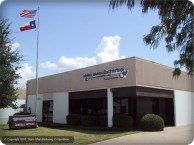
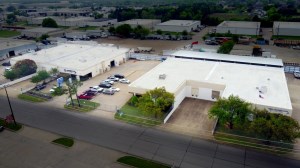
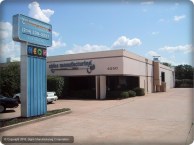
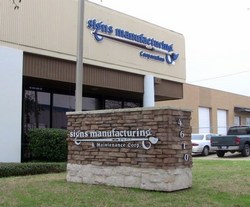
4610 Mint Way, Dallas, Texas75236, US
214-339-2227 | sales@signsmanufacturing.com
Business hours are 07.00 a.m. to 5.00 p.m. Monday thru Friday (Central Time)
or by Appointment
Emergency Service Available 24/7
Office hours are 08.00 a.m. to 5.00 p.m. Monday thru Friday
Showroom hours are by Appointment
Factory Tours by Appointment
Copyright© 1979-2025 Signs Manufacturing Corporation - ALL RIGHTS RESERVED - Sitemap